
Mavic 3T in Windy Venue Tracking: How to Build a More
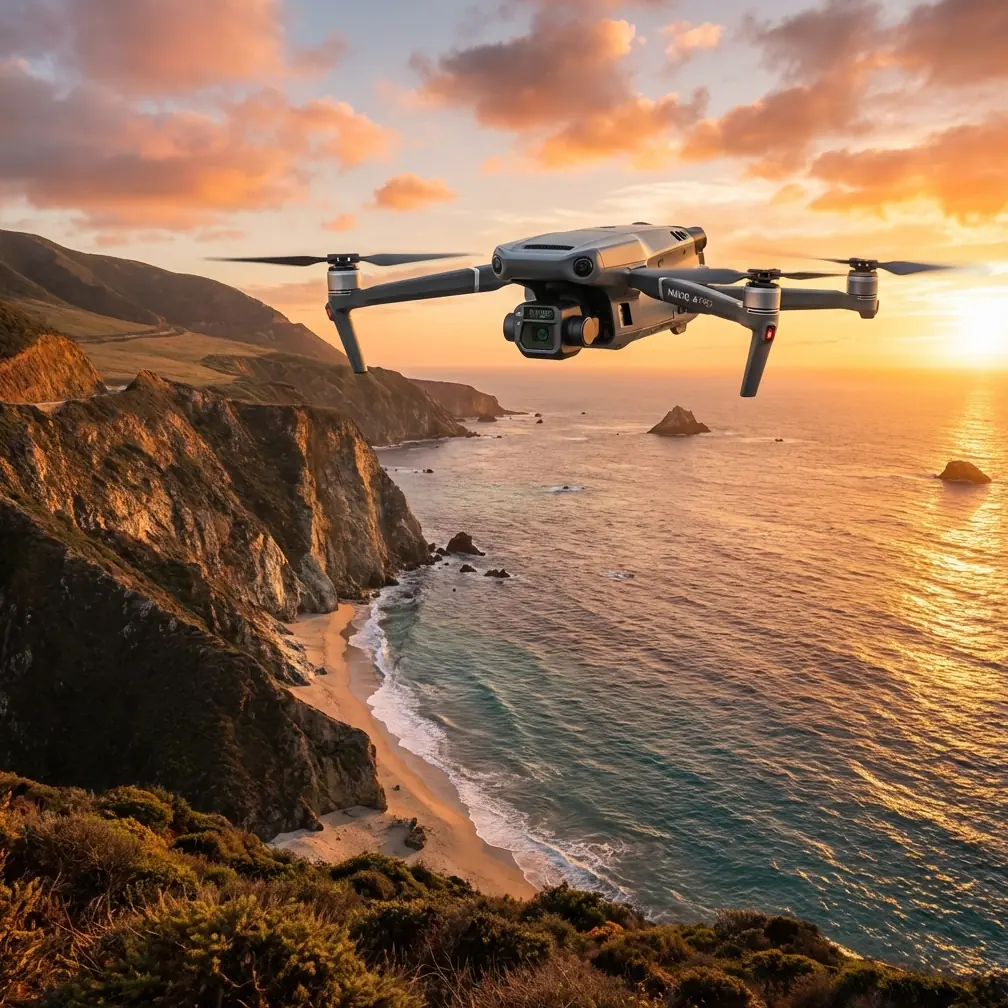
Mavic 3T in Windy Venue Tracking: How to Build a More Integrated Response Workflow
META: A practical, expert-led tutorial on using the DJI Mavic 3T for tracking activity across windy venues, with thermal workflow tips, O3 transmission considerations, battery planning, and ecosystem-level integration insights.
Wind changes everything.
A venue that feels manageable on a calm morning becomes a different operation when gusts start pushing across open parking areas, rooflines, grandstands, loading zones, and temporary structures. For teams using the Mavic 3T to monitor movement, verify activity, or maintain visual awareness across a large civilian site, the drone itself is only one part of the solution. The real performance difference comes from how well it fits into a broader response ecosystem.
That point became clearer in April 2026, when leaders speaking at the Motorola Solutions Summit in Orlando described a move away from isolated drone programs and toward integrated response systems. That shift matters for anyone deploying a Mavic 3T at stadiums, fairgrounds, campuses, industrial complexes, or outdoor event venues in difficult wind. A drone is helpful. A drone tied into communications, workflow, and decision-making is far more useful.
This tutorial is built around that idea: not just how to fly a Mavic 3T in windy venue conditions, but how to use it as part of a coordinated tracking operation that produces better decisions on the ground.
Why the “integrated ecosystem” idea matters for Mavic 3T users
The Summit ran April 19–22, 2026, and the central takeaway from the drone discussion was simple: standalone programs are giving way to fully integrated response ecosystems. Even if your mission is civilian venue tracking rather than emergency response, the operational lesson transfers directly.
A Mavic 3T pilot watching a single screen can identify movement. A venue operations team connected to drone video, thermal interpretation, radio traffic, and ground staff locations can actually act on what the aircraft sees.
That distinction matters in wind for two reasons.
First, windy conditions reduce your margin for error. You may not have the luxury of long, slow, repeated passes over the same area. Flight time gets consumed faster when the aircraft is fighting gusts, repositioning, or holding stable over exposed sections of a site.
Second, wind often creates fragmented visibility. People bunch near walls, vehicles cast moving heat patterns, fabric signage flutters into line of sight, and dust or debris can alter the apparent scene. If your Mavic 3T feed is disconnected from the rest of the operation, those ambiguities slow interpretation. If your flight team is integrated into a wider workflow, the drone becomes a fast confirmation tool rather than a standalone observer.
That is the big operational significance of the 2026 Summit discussion. The article’s headline theme was not about adding more drones. It was about embedding drones into the ecosystem already managing the event or facility.
Step 1: Define tracking as a venue workflow, not a flight task
For windy venue work, start before takeoff.
Too many teams frame the mission as: launch Mavic 3T, search area, track subject or activity. That is incomplete. The better framing is: detect, verify, communicate, hand off.
The Mavic 3T is excellent at the middle two stages. Its thermal capability helps you isolate a thermal signature when visibility is mixed or lighting is inconsistent. Its visual payload then helps verify whether the heat source is actually relevant. But detection and handoff are just as important, especially when the aircraft may need to reposition frequently in gusty air.
For a venue workflow, define:
- who requests the drone view
- what counts as actionable movement
- which zones are wind-exposed and which are sheltered
- who receives the live interpretation
- when the aircraft disengages and hands tracking to ground staff or fixed cameras
This is exactly where the “beyond standalone drone programs” idea becomes practical. If your Mavic 3T is only generating imagery, you are underusing it. If it is plugged into the communications fabric of the venue, every minute in the air becomes more productive.
Step 2: Build your windy-day flight geometry around the venue, not the subject
Tracking in wind is rarely about chasing.
It is about positioning.
At open venues, gusts are often strongest at corners, roof gaps, access roads, and wide pedestrian channels. The instinct is to fly directly over the moving point of interest, but that exposes the aircraft to constant corrections and can reduce image stability right when you need clean observation.
A better approach is to use offset vantage points. Fly from a more sheltered side and maintain an oblique view over the route the person, vehicle, or activity is likely to follow. This lets the Mavic 3T spend less time fighting the wind and more time collecting usable visual and thermal data.
This is also where O3 transmission matters in practice. A stable link gives the remote team more confidence to work from a standoff position rather than forcing the pilot to move physically to keep up with the target area. In a large venue, that can preserve continuity. Instead of relocating the command point every time the situation shifts, the aircraft can do the repositioning while the operations team stays anchored.
The technical detail is not just that O3 exists. The operational significance is that a robust transmission system supports ecosystem-style deployment: pilot, spotter, and venue decision-makers can remain coordinated even as the drone works the wind from a better tactical angle.
Step 3: Use thermal as a filtering tool, not your only tracking method
The Mavic 3T’s thermal sensor is extremely useful in windy venues, but only if you apply it correctly.
Wind changes heat behavior across a site. Warm surfaces cool unevenly. Exhaust plumes drift. Metal railings, roof edges, pavement seams, and HVAC discharge points can create false visual priorities in thermal view. If you treat thermal as the final answer, you risk tracking the wrong thing.
Use it as a filter first.
Scan broad sectors in thermal to identify anomalies quickly. Then transition to visual confirmation before declaring the target relevant. This is especially effective near parking fields, service corridors, tented areas, and loading docks where human presence may blend into clutter in the visible spectrum but stand out as a distinct thermal signature.
The key is speed of interpretation. In windy conditions, the aircraft may only give you a few stable seconds per angle. Thermal helps shorten the search phase. Visual zoom and contextual scene reading help finish the job.
That pairing is one of the Mavic 3T’s strongest advantages for venue tracking. It reduces wasted flight time, which in turn matters when headwinds are cutting into endurance.
Step 4: Plan battery turnover as part of the tracking chain
Windy operations punish poor battery discipline.
A tracking mission at a venue often looks calm on paper: short transit, moderate hover time, periodic orbit, return. In the air, headwind legs stretch, hover power increases, and reserve margins disappear faster than expected. If the aircraft is serving an integrated venue workflow, an unplanned battery return does more than interrupt a flight. It breaks a link in the operational chain.
This is why hot-swap batteries deserve attention even in a relatively compact deployment. The value is not convenience. It is continuity.
Set up battery rotation so the replacement aircraft cycle is predictable to everyone on the comms net. If the operations lead knows you have a narrow handover window before relaunch, they can stage ground observers or fixed camera checks during that gap. If they do not know, the drone feed may simply vanish at the worst moment.
In other words, battery management is not just an aviation issue. It is a systems issue. That aligns directly with the ecosystem lesson from the 2026 Summit: the drone should be treated as one node in a larger response structure, not a self-contained tool.
Step 5: Add one accessory that solves a real windy-day problem
A third-party accessory can make the Mavic 3T more useful, but only if it addresses a specific operational weakness.
For venue tracking in wind, one of the most practical upgrades is a high-brightness third-party monitor hood or sunshade system for the controller display. That may sound minor compared with more dramatic add-ons, but in exposed environments it can materially improve target retention and interpretation.
Glare is easy to underestimate. On bright, gusty days, the pilot or camera operator is often trying to read subtle thermal contrast and fine movement details while squinting into a washed-out screen. A well-designed hood reduces that strain and helps the team maintain faster visual confirmation after thermal detection.
That accessory improves capability not by changing the aircraft, but by improving human decision speed. In venue tracking, that is often the real bottleneck.
If your team is building out a weather-ready Mavic 3T workflow and wants to compare practical field accessories, this direct WhatsApp line for deployment questions is a useful place to start.
Step 6: Secure the feed because venue operations involve more than flying
Many venue operators focus on aircraft safety and overlook data security. That is a mistake, especially when the drone is participating in an integrated response environment.
AES-256 matters here. Not as a marketing checkbox, but as part of trust. Once drone video is being treated as a live operational input rather than a standalone pilot aid, the integrity and privacy of that link become more consequential. A venue tracking operation may involve proprietary site layouts, contractor movement, maintenance activity, guest flow patterns, or infrastructure issues. You do not want that traffic treated casually.
Again, the significance comes from system integration. The more valuable the drone feed becomes to the wider organization, the more important secure transmission becomes.
Step 7: Use prebuilt map products to shorten windy flight time
Photogrammetry may not be the first term people associate with the Mavic 3T, but it belongs in the planning discussion.
If you have a current site model, orthomosaic, or annotated base map built with GCP-backed accuracy where needed, the live tracking mission gets easier. You already know the choke points, line-of-sight breaks, rooftop turbulence zones, and sheltered corridors. Instead of discovering those conditions while flying in gusts, the pilot is working from a prepared spatial plan.
That can significantly reduce the amount of airborne searching required. For a large venue, even small reductions in search time matter when winds are eating into battery reserves.
The drone’s thermal and visual payload then become dynamic overlays on top of a mapped operational picture, not isolated imagery feeds. That is exactly the kind of maturity implied by the 2026 shift toward integrated ecosystems.
Step 8: Know when BVLOS discussions are relevant and when they are not
BVLOS gets mentioned frequently in modern drone operations, but for venue tracking, it should be approached carefully and only within the applicable regulatory framework. In many civilian venue cases, the real gain does not come from stretching distance. It comes from tightening coordination within the area you already control.
That said, the strategic value of BVLOS concepts is still worth understanding. They push teams to think beyond the pilot-aircraft relationship and toward networked operations, layered situational awareness, and structured handoffs. Even if your venue deployment remains within standard visual constraints, that mindset is useful.
The Mavic 3T performs best in windy tracking missions when the crew thinks like an operations cell, not just a flight team.
A practical windy-day checklist for Mavic 3T venue tracking
Before launch:
- Identify wind corridors and sheltered holding positions
- Confirm who receives live drone interpretation
- Assign thermal-first search sectors
- Establish battery swap timing and communication cues
- Verify screen visibility setup, including sunshade or monitor hood
- Review map overlays and known turbulence zones
During flight:
- Use offset observation angles rather than constant pursuit
- Let thermal narrow the search, then verify visually
- Watch for misleading heat patterns around vehicles, pavement, and mechanical systems
- Protect battery reserve more aggressively than on calm days
- Keep voice comms concise so the aircraft remains part of the broader venue workflow
After flight:
- Log where wind created instability or image loss
- Update site maps with recurring turbulence areas
- Refine handoff timing between drone, fixed cameras, and ground teams
The real takeaway
The most useful insight from the April 2026 conversation in Orlando was not simply that drones are becoming more common. It was that mature operators no longer treat them as detached tools.
That perspective fits the Mavic 3T perfectly.
For windy venue tracking, the aircraft’s value is not just in its thermal sensor, its visual confirmation ability, or its transmission system. It is in how those capabilities support a coordinated operating picture. Thermal signature detection helps you find the right subject faster. O3 transmission helps keep the drone feed usable from a stable command position. AES-256 supports trust when that feed becomes part of a larger workflow. Hot-swap battery discipline protects continuity. Even a simple third-party screen hood can sharpen interpretation under harsh conditions.
Used this way, the Mavic 3T stops being “the drone in the air” and becomes something much more useful: a mobile sensing node inside a venue-wide tracking system.
That is the difference between flying in the wind and operating through it.
Ready for your own Mavic 3T? Contact our team for expert consultation.