
Mavic 3T in Windy Vineyards: What Actually Matters When
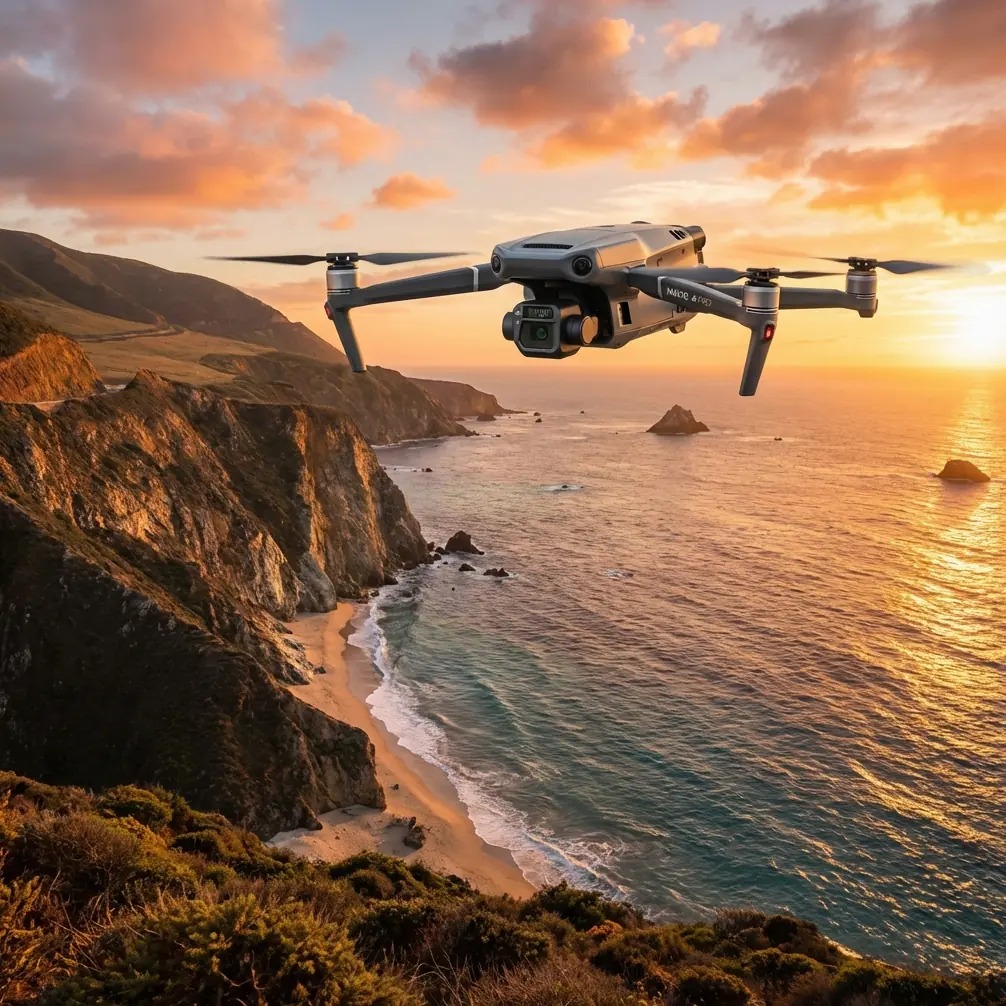
Mavic 3T in Windy Vineyards: What Actually Matters When Conditions Change Mid-Flight
META: A field-driven look at using the Mavic 3T for vineyard tracking in windy conditions, with thermal insight, O3 transmission, AES-256 security, GCP workflow, and practical operational lessons.
By James Mitchell
Vineyards have a way of exposing weak drone workflows.
Everything looks manageable at takeoff. Rows are clean, the mission grid is loaded, and the wind seems tolerable. Then the site reminds you who is in charge. Air starts moving unevenly across the slope. One block runs warmer than expected. A cloud bank shifts the light. Halfway through the flight, your neat plan stops being neat.
That is exactly where the Mavic 3T becomes interesting.
A lot of coverage around this aircraft stays too broad. It usually mentions thermal imaging, portability, and enterprise features, then leaves it there. But for vineyard tracking in windy conditions, those headline features only matter if they translate into stable data, usable thermal contrast, and a flight workflow that does not collapse when the weather turns halfway through a mission.
That is the real story.
The vineyard problem is not just wind
When growers talk about “tracking” a vineyard, they rarely mean one thing. They are usually trying to answer several questions at once:
- Are certain rows under water stress?
- Is canopy development even across blocks?
- Are there drainage or irrigation irregularities showing up before they become visible from the ground?
- Can the team revisit the same problem area with enough consistency to compare conditions over time?
In a windy vineyard, those questions get harder to answer because wind does more than push the aircraft around. It changes leaf movement, complicates thermal interpretation, and can reduce mapping consistency if your overlap and line discipline start to drift. On sloped terrain, it also tends to behave differently from one section of the property to another. A gust that is manageable over a central row can become much more disruptive at an exposed edge.
That is why the Mavic 3T’s value in this setting is not simply that it carries a thermal sensor. It is that it combines thermal data collection with a compact airframe, enterprise transmission, and mission flexibility that help preserve decision-quality data when the environment stops cooperating.
Why thermal signature matters in a vineyard
In viticulture, visible imagery tells you a lot, but not always early enough. A stressed vine can still appear acceptable from a standard RGB view while its thermal signature has already shifted. That difference matters because vineyard managers are often not trying to document damage after it is obvious. They are trying to spot variability while there is still time to adjust irrigation, inspect emitters, or prioritize field walks.
This is where the Mavic 3T earns its place. The aircraft’s thermal capability allows operators to detect temperature variation across blocks instead of relying solely on visual cues. In practice, that means areas of uneven transpiration, irrigation anomalies, or heat retention patterns can stand out sooner than they would in ordinary imagery.
Operationally, that changes how a vineyard team allocates time. Instead of walking entire sections looking for a problem, they can narrow the search to rows or patches where the thermal pattern already suggests something is off. That is not a theoretical efficiency gain. On large properties, it can be the difference between inspecting a handful of targeted locations and losing most of a day on broad manual scouting.
The weather changed mid-flight. The mission did not fall apart.
One of the more revealing tests for any enterprise drone is not how it performs in ideal conditions, but what happens when the mission has to adapt on the fly.
Picture a late-morning vineyard inspection. The first pass is smooth enough. Then the wind stiffens across the western edge of the property, and a thin layer of cloud starts changing the thermal environment. That combination matters. Stronger gusts challenge aircraft stability, and changing solar conditions can alter the surface temperature patterns you are trying to interpret.
With the Mavic 3T, the practical advantage is not some dramatic cinematic hero moment. It is the fact that the aircraft remains usable and the operator still has control over the mission logic. Stable transmission becomes critical here, and DJI’s O3 enterprise link is one of the details that deserves more attention than it gets. In a vineyard with uneven terrain, tree lines, and long row geometry, strong video and command link performance is not a convenience. It is what allows the pilot to maintain situational awareness and confidence while adjusting route priority or bringing the aircraft back safely if one block becomes too turbulent.
O3 transmission matters operationally because degraded signal quality in a large agricultural site can force conservative flight decisions before the actual aircraft reaches its survey limit. If the link is reliable, the operator can complete the high-value part of the mission first, then decide whether conditions justify extending coverage. That is a very different outcome from abandoning the survey early because the connection feels unstable.
Wind does not just test flying skill. It tests mapping discipline.
For vineyard managers who want repeatable analysis rather than one-off observations, photogrammetry still matters, even when thermal is the headline feature. Thermal can show you where to look. A structured mapping workflow helps you document exactly where the issue is, compare it over time, and integrate it into broader field records.
The challenge is that wind introduces subtle errors into row-level capture. If the aircraft is compensating more aggressively, image consistency can suffer. In a site where the rows are narrow and repetitive, that can make later interpretation less reliable if the mission planning is loose.
This is where GCPs, or ground control points, come into the conversation. Not every vineyard mission needs a heavy control workflow, but when you want defensible positional consistency across surveys, GCPs can make the difference between “roughly this area” and “this exact section of these exact rows.” For irrigation troubleshooting, drainage assessment, or documenting persistent canopy stress, that precision is often worth the extra field setup.
The Mavic 3T is not just a thermal spotter in that workflow. It can act as the field reconnaissance tool that identifies the problem zones, while the broader mapping process, supported by GCP-based control where needed, turns those observations into a repeatable management dataset.
That distinction is critical. Good vineyard drone work is rarely about one sensor or one flight. It is about building a chain from detection to verification to action.
Why secure transmission belongs in the vineyard conversation
Security is one of those subjects that gets treated like a corporate checkbox until you work with high-value agricultural operations.
A modern vineyard may not think of itself as a “sensitive data environment,” but detailed aerial datasets can reveal a surprising amount: crop condition, irrigation layout, access routes, infrastructure, and operational timing. For growers working with consultants, export markets, investors, or tightly managed production programs, data handling matters.
That is where AES-256 becomes more than a spec-sheet line. Encrypted transmission helps protect the link between aircraft and controller, reducing the risk that valuable operational imagery is casually exposed in the field. On paper, this sounds technical. In practice, it supports a more professional workflow, especially when flights are part of a larger agronomic reporting or asset management process.
If you are building a drone program for a vineyard operation rather than just experimenting with flights, secure transmission should be considered part of operational maturity, not an afterthought.
Battery workflow matters more than most people admit
People tend to focus on sensors and range. In the field, battery management often decides whether the mission is efficient.
Vineyard work has a stop-start rhythm. You launch, identify a thermal irregularity, land, confer with the grower, adjust the next route, and go again. If weather is shifting, the need to redeploy quickly becomes even more important. That is why hot-swap batteries are such a useful idea in enterprise operations, even though the exact phrase often gets thrown around too casually. The core point is simple: a fast battery turnaround keeps your survey window alive when the conditions are changing.
In a vineyard, the best thermal period or the safest wind window may not last long. A slow reset between sorties can cost you the conditions you needed for meaningful comparison. The Mavic 3T’s field workflow supports the kind of rapid relaunch cadence that practical agricultural operations depend on.
This matters especially in hilly or coastal vineyards, where wind can move from manageable to disruptive in less than an hour. If you are forced into long downtime between flights, you may return to a site that is no longer comparable to the one you just surveyed.
What the Mavic 3T does well for row-by-row decision-making
The reason the Mavic 3T fits vineyard tracking is not because it replaces agronomy expertise. It helps direct that expertise with better timing.
A typical useful pattern looks like this:
First, use the aircraft to scan blocks and identify thermal anomalies or uneven canopy response. Then verify those spots against RGB context and site knowledge. After that, use targeted ground inspection to determine whether the issue is irrigation, disease pressure, compaction, drainage, or something else entirely.
That sequence saves labor and reduces guesswork.
In windy conditions, the aircraft’s compact form factor also matters. Larger platforms can offer advantages in certain scenarios, but they are not always the most practical option for a vineyard team that needs quick deployment between blocks or from narrow field access points. The Mavic 3T is easier to move, faster to set up, and more realistic for routine operational use rather than occasional specialist deployment.
That last point deserves emphasis. The best drone for a vineyard is often not the one with the biggest payload potential. It is the one that actually gets used consistently enough to influence management decisions.
A word on BVLOS and why it should be handled carefully
Some vineyard operators hear “large estate” and immediately think about BVLOS, or beyond visual line of sight, as the natural next step. The interest is understandable. Long agricultural corridors seem like an obvious fit for extended operations.
But in practice, BVLOS is not just a checkbox feature discussion. It is a regulatory and operational framework issue that depends on local rules, site risk assessment, communication procedures, and training maturity. For most vineyard teams, the more immediate opportunity is not chasing BVLOS capability for its own sake. It is tightening mission planning, signal management, battery rotation, and data interpretation within permitted operations.
The Mavic 3T gives operators enough capability that they often gain more by improving discipline than by pushing complexity too early.
What I would pay attention to before the first vineyard mission
If the task is tracking vineyards in windy conditions, these are the details that deserve planning attention:
- Fly at a time when thermal contrast supports the question you are trying to answer, not simply when the team is available.
- Treat wind exposure as block-specific. Conditions can differ sharply across the same property.
- Use repeatable routes if trend comparison matters.
- Consider GCPs when location precision will influence field intervention.
- Prioritize the most exposed or operationally significant blocks first, before the weather shifts.
- Keep battery turnaround tight so the survey remains internally comparable.
- Protect collected imagery and telemetry as part of normal operational practice, not only when asked.
That combination is what turns the Mavic 3T from a capable drone into a useful vineyard tool.
The bottom line
The Mavic 3T makes the most sense in vineyards when the job is not merely to fly, but to keep finding usable answers as conditions become less cooperative.
Its thermal capability gives growers a way to see stress patterns that standard visual inspection may miss early on. O3 transmission helps preserve control confidence and situational awareness when terrain and wind complicate the mission. AES-256 supports data security that many professional agricultural operations increasingly need. And when paired with a disciplined mapping approach, including GCPs where accuracy matters, the aircraft becomes more than a scouting device. It becomes part of a repeatable decision system.
That is what stood out in the mid-flight weather shift scenario. The wind changed. Light changed. The easy version of the mission disappeared. The aircraft still supported the work that mattered: identify the rows worth inspecting, hold a reliable connection, adapt the plan, and bring back data that a vineyard manager can actually use.
If you are evaluating whether this platform fits your vineyard workflow, the right question is not “Can it handle agriculture?” It can. The better question is whether it can keep producing decision-grade information when the field stops behaving like the mission plan.
For many vineyard teams, that is where the Mavic 3T proves itself.
If you want to discuss a vineyard-specific setup or field workflow, you can message an enterprise drone specialist here.
Ready for your own Mavic 3T? Contact our team for expert consultation.