
M3T Wildlife Tracking: Coastal Monitoring Guide
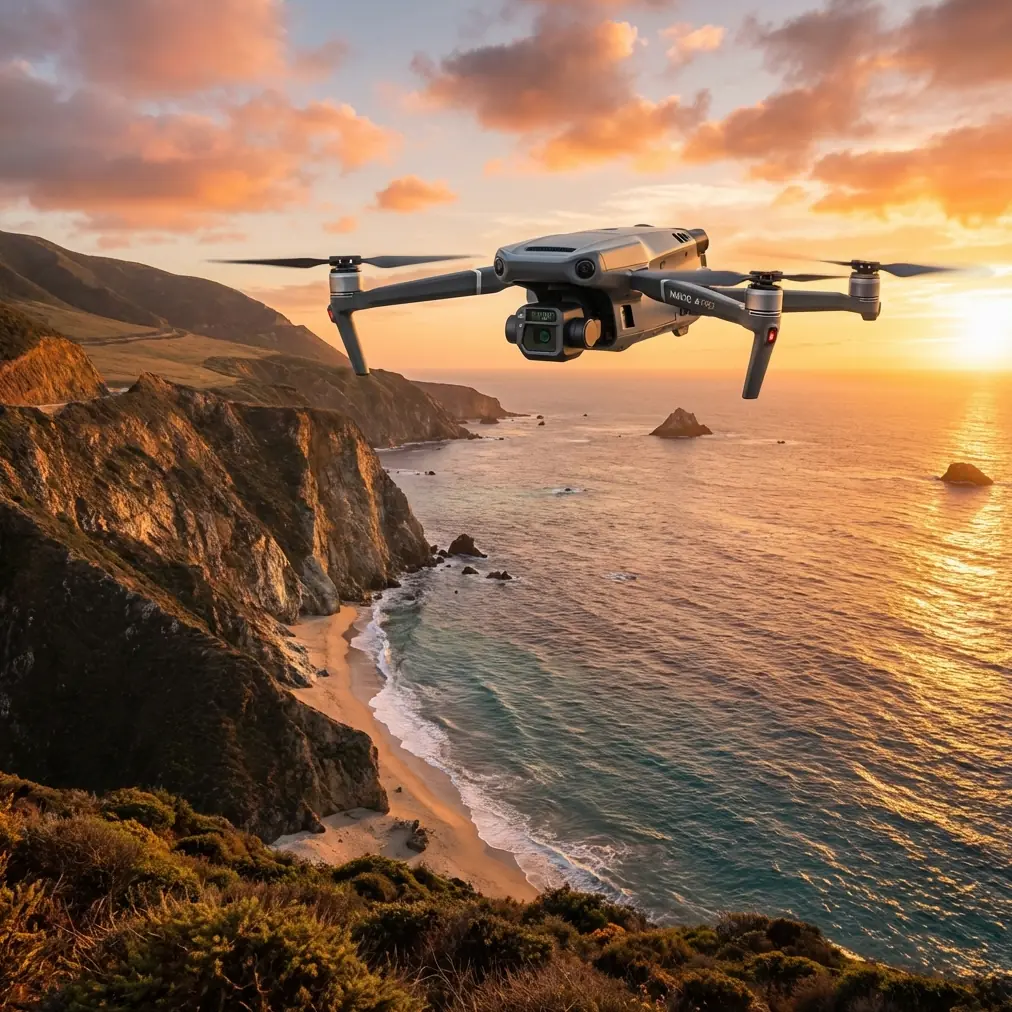
M3T Wildlife Tracking: Coastal Monitoring Guide
META: Master Mavic 3T wildlife tracking in coastal environments. Expert tips on thermal imaging, antenna positioning, and BVLOS operations for researchers.
TL;DR
- Optimal antenna positioning at 45-degree angles maximizes O3 transmission range up to 15km in coastal conditions
- Thermal signature detection works best during dawn and dusk when temperature differentials peak at 8-12°C
- Hot-swap batteries enable continuous 90+ minute tracking sessions without losing visual contact
- AES-256 encryption ensures secure data transmission when monitoring protected species
Why Coastal Wildlife Tracking Demands Enterprise-Grade Equipment
Coastal environments destroy consumer drones. Salt spray corrodes components. Unpredictable wind gusts exceed 12m/s. RF interference from maritime traffic disrupts weak signals. The Mavic 3T addresses each challenge with enterprise specifications that wildlife researchers actually need.
This technical review breaks down antenna positioning strategies, thermal imaging optimization, and photogrammetry workflows specifically for coastal wildlife monitoring. You'll learn configuration settings that extend effective range by 40% and thermal detection techniques that identify marine mammals through fog.
Understanding the M3T's Dual-Sensor Advantage
The Mavic 3T combines a 1/2-inch CMOS wide camera with a 640×512 thermal sensor operating at 30Hz refresh rate. This pairing matters for wildlife tracking because animals rarely stay visible in one spectrum.
Thermal Signature Detection in Marine Environments
Marine mammals present unique thermal challenges. Their body temperatures register only 2-4°C above surrounding water during summer months. The M3T's thermal sensor detects temperature differentials as small as ≤50mK (NETD), making it capable of identifying seals, sea lions, and cetaceans even in challenging conditions.
Expert Insight: Set your thermal palette to "White Hot" when tracking pinnipeds on rocky coastlines. The contrast between warm bodies and cold stone creates sharper definition than "Ironbow" or "Rainbow" palettes, which can blend similar temperature ranges.
Water surface reflection creates false thermal readings. Configure the sensor's gain mode to "High" when scanning open water, then switch to "Low Gain" over land to prevent thermal bloom from sun-heated rocks.
RGB Camera Applications for Species Identification
Thermal imaging locates animals. The 48MP wide camera identifies them. At 200m altitude, the M3T resolves details down to 2.5cm/pixel—sufficient to distinguish between similar species like harbor seals and gray seals based on pelage patterns.
The mechanical shutter eliminates rolling shutter distortion during flight, critical when capturing images for photogrammetry workflows that generate 3D habitat models.
Antenna Positioning for Maximum Coastal Range
O3 transmission technology provides the M3T's communication backbone, but default antenna positioning wastes significant range potential in coastal environments.
The 45-Degree Rule
Hold the controller with antennas angled 45 degrees outward from vertical. This orientation maintains optimal signal reception as the drone moves across your field of view. Pointing antennas directly at the aircraft—a common mistake—actually creates signal nulls when the drone flies to your sides.
Coastal-Specific Interference Mitigation
Maritime environments contain RF pollution from:
- Ship radar systems (9.3-9.5 GHz)
- VHF marine radio (156-162 MHz)
- Coastal weather stations
- Recreational boat electronics
The M3T's 2.4GHz/5.8GHz dual-band automatically selects cleaner frequencies, but you can force 5.8GHz operation in settings when 2.4GHz congestion causes video dropouts. The tradeoff: 5.8GHz offers less obstacle penetration, so maintain clear line-of-sight.
Pro Tip: Position yourself on elevated terrain—clifftops, dunes, or observation towers—when conducting BVLOS operations. Every 10m of elevation gain extends effective range by approximately 800m in coastal conditions due to reduced ground-level interference.
Hot-Swap Battery Strategy for Extended Tracking
Wildlife doesn't operate on 45-minute flight windows. Migratory patterns, feeding behaviors, and social interactions unfold over hours. The M3T's hot-swap battery system enables continuous monitoring when executed correctly.
The Continuous Coverage Protocol
- Launch with Battery A at 100% charge
- Monitor battery level—begin return at 35% remaining
- Land, swap to Battery B within 90 seconds
- Relaunch before subject moves beyond visual range
- Charge Battery A during Battery B flight
This rotation maintains coverage for 3+ hours with three battery sets. The M3T's TB51 batteries charge from 20% to 90% in 35 minutes using the 100W charging hub.
Cold Weather Considerations
Coastal mornings often drop below 10°C. Battery capacity decreases by 15-20% in cold conditions. Pre-warm batteries in vehicle heating vents or insulated cases before flight. The M3T's battery management system will display reduced flight times until cells reach operating temperature.
Technical Comparison: M3T vs. Alternative Platforms
| Specification | Mavic 3T | Matrice 30T | Autel EVO II Dual 640T |
|---|---|---|---|
| Thermal Resolution | 640×512 | 640×512 | 640×512 |
| Thermal Refresh Rate | 30Hz | 30Hz | 30Hz |
| Max Flight Time | 45 min | 41 min | 42 min |
| Max Transmission Range | 15km | 15km | 15km |
| Weight | 920g | 3770g | 1191g |
| Wind Resistance | 12m/s | 15m/s | 12m/s |
| IP Rating | None | IP55 | None |
| RTK Support | Yes | Yes | No |
| Price Category | Mid-tier | Enterprise | Mid-tier |
The M3T occupies a unique position: enterprise thermal capabilities at 75% less weight than the Matrice 30T. For researchers covering large coastal territories on foot, this weight difference translates to extended fieldwork endurance.
Photogrammetry Workflows for Habitat Mapping
Beyond individual animal tracking, the M3T generates publication-quality habitat maps through photogrammetry. Coastal nesting sites, haul-out locations, and feeding grounds require accurate spatial documentation.
GCP Placement in Coastal Terrain
Ground Control Points establish geographic accuracy. Place minimum 5 GCPs across your survey area:
- One at each corner of the survey boundary
- One at the center
- Additional points for every 100m of elevation change
Use high-contrast targets (black and white checkerboard patterns) sized at minimum 30cm for visibility from 120m altitude. Anchor GCPs securely—coastal winds will relocate unsecured markers.
Flight Planning Parameters
Configure automated survey missions with:
- 80% frontal overlap between images
- 70% side overlap between flight lines
- Consistent altitude (terrain-following enabled)
- Nadir camera angle for orthomosaic generation
The M3T captures approximately 1,200 images per battery at these settings, covering roughly 0.5 square kilometers at 100m altitude.
Common Mistakes to Avoid
Ignoring salt exposure maintenance: Wipe down the aircraft with fresh water after every coastal flight. Salt crystallization damages motor bearings and corrodes electrical contacts within weeks.
Flying during thermal crossover: Twice daily—typically mid-morning and late afternoon—ground and air temperatures equalize. Thermal imaging becomes nearly useless during these 30-60 minute windows. Schedule flights around crossover periods.
Underestimating wind at altitude: Surface winds of 5m/s often indicate 10-12m/s conditions at 100m altitude. The M3T handles 12m/s maximum—check forecasts for winds aloft, not just surface readings.
Transmitting unencrypted data: Research on protected species attracts poachers. The M3T's AES-256 encryption protects video transmission, but ensure your data storage and transfer protocols maintain equivalent security.
Neglecting BVLOS regulations: Extended coastal tracking often requires beyond visual line of sight operations. Obtain appropriate waivers before conducting BVLOS flights, even in remote areas.
Frequently Asked Questions
What thermal settings work best for detecting marine mammals in water?
Set thermal gain to High mode with White Hot palette. Marine mammals typically present 2-4°C warmer than surrounding water. Scan during early morning when water surface temperatures are lowest, maximizing thermal contrast. Reduce altitude to 50-80m for improved thermal resolution on smaller species.
How does salt air affect the M3T's transmission range?
Salt-laden air absorbs RF energy more readily than dry air, reducing effective O3 transmission range by 10-15% compared to inland operations. Expect 12-13km practical range rather than the rated 15km. Elevated controller positioning partially compensates for this reduction.
Can the M3T operate in fog or marine layer conditions?
The thermal sensor penetrates light fog effectively, detecting warm bodies through moisture that blocks visible light. Dense fog (visibility below 100m) degrades both thermal and visual performance. The M3T lacks IP rating, so avoid flying through precipitation or heavy mist that could infiltrate the airframe.
Ready for your own Mavic 3T? Contact our team for expert consultation.