
Mavic 3T for Wildlife Tracking: High Altitude Guide
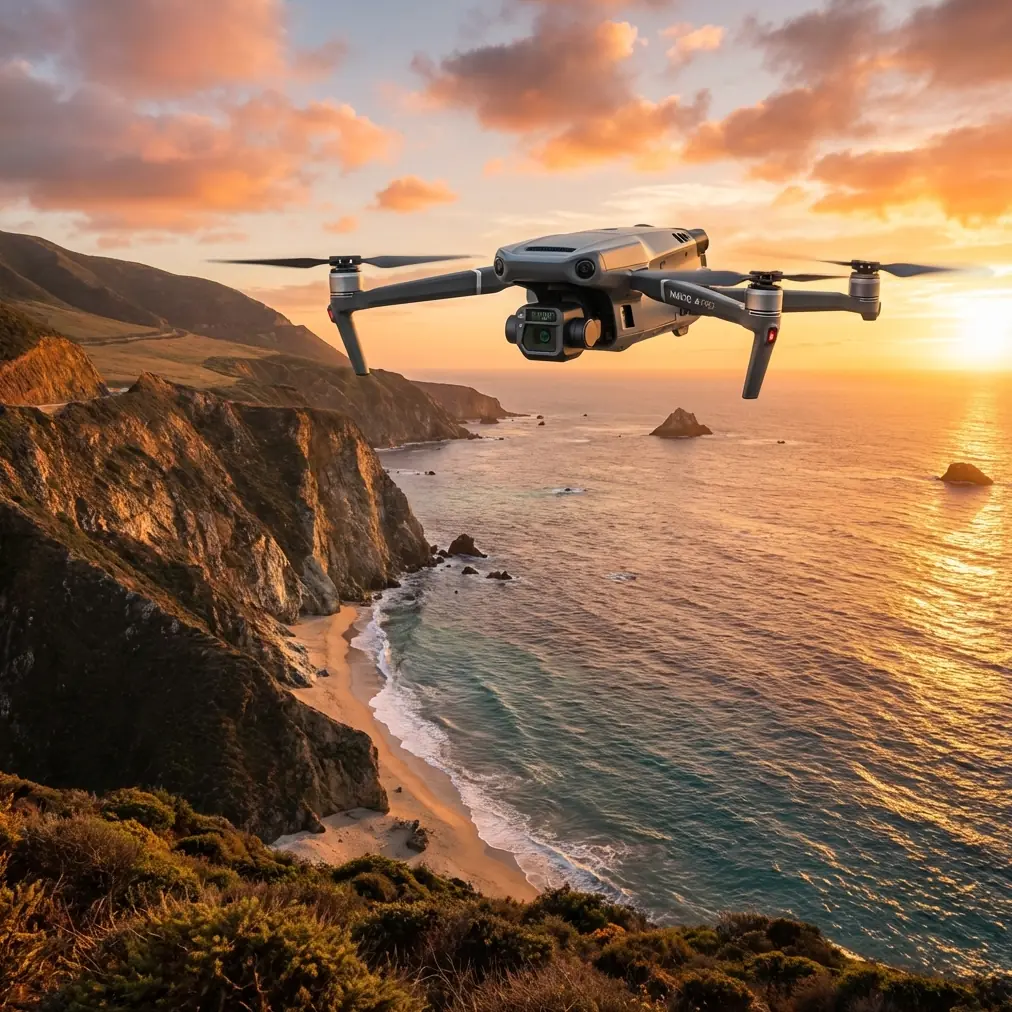
Mavic 3T for Wildlife Tracking: High Altitude Guide
META: Master high-altitude wildlife tracking with the Mavic 3T. Expert field techniques for thermal detection, battery management, and reliable data capture above 4,000m.
TL;DR
- Thermal imaging at altitude requires specific gain adjustments to compensate for temperature differentials between wildlife and cold mountain environments
- Battery performance drops 30-40% above 4,000m—hot-swap strategies and pre-warming protocols are essential
- O3 transmission maintains stable links up to 15km, critical for tracking animals across vast alpine terrain
- Photogrammetry workflows combined with thermal overlays create comprehensive habitat mapping for conservation research
The High-Altitude Wildlife Tracking Challenge
Tracking endangered snow leopards across the Tibetan Plateau at 4,500 meters pushes drone technology to absolute limits. The Mavic 3T addresses these demands with a hybrid sensor system that combines 640×512 thermal resolution with a 56× hybrid zoom mechanical camera.
This guide breaks down field-tested techniques for deploying the Mavic 3T in extreme alpine environments where traditional tracking methods fail.
Why the Mavic 3T Excels at Altitude Wildlife Operations
Thermal Signature Detection in Extreme Cold
At high altitude, the temperature differential between wildlife and the surrounding environment creates distinct thermal signatures. A snow leopard's body temperature of 38°C against -15°C rock faces produces exceptional contrast on the Mavic 3T's uncooled VOx sensor.
The thermal camera operates in three modes:
- High Gain Mode: Optimized for detecting subtle temperature differences in cold environments
- Low Gain Mode: Prevents sensor saturation when tracking animals near sun-warmed rocks
- Isothermal Display: Highlights specific temperature ranges matching target species
Expert Insight: When tracking mammals above 4,000m, switch to High Gain Mode and narrow your temperature span to 15°C centered on 35°C. This eliminates background noise from geological features while making warm-blooded targets impossible to miss.
O3 Transmission Reliability in Mountain Terrain
Mountain valleys and ridgelines create challenging RF environments. The Mavic 3T's O3 transmission system maintains 1080p/30fps live feed at distances up to 15 kilometers in optimal conditions.
Real-world alpine performance typically delivers:
- 8-10km reliable range in valleys with partial obstruction
- 12km+ range on ridgelines with clear line-of-sight
- Auto-switching between 2.4GHz and 5.8GHz to avoid interference from research base communications
Critical Battery Management for High-Altitude Operations
Here's a hard lesson from the field: during a 2023 ibex population survey in the Karakoram, I lost three survey days because batteries that showed 100% charge at base camp delivered only 18 minutes of flight time at 5,200 meters. The cold and thin air created a perfect storm of power drain.
The Hot-Swap Protocol That Saved Our Research
Develop a rotation system using all available battery sets:
- Pre-warm batteries in insulated pouches with chemical hand warmers to 25-30°C before flight
- Never discharge below 40% at altitude—voltage sag accelerates dramatically in thin air
- Swap batteries every 15 minutes regardless of displayed charge level
- Keep discharged batteries warm for accurate post-flight capacity readings
Temperature-Adjusted Flight Planning
| Altitude | Temperature | Expected Flight Time | Recommended Swap Point |
|---|---|---|---|
| Sea level | 20°C | 45 minutes | 20% remaining |
| 3,000m | 5°C | 32 minutes | 30% remaining |
| 4,500m | -10°C | 24 minutes | 40% remaining |
| 5,500m | -20°C | 18 minutes | 45% remaining |
Pro Tip: Carry batteries against your body during approach hikes. Body heat maintains optimal cell temperature far better than any commercial warmer, and you'll have flight-ready power the moment you reach your observation point.
Photogrammetry Integration for Habitat Mapping
Wildlife tracking generates more value when combined with habitat documentation. The Mavic 3T's 4/3 CMOS sensor captures 20MP stills suitable for photogrammetric processing.
GCP Deployment at Altitude
Ground Control Points ensure spatial accuracy for long-term habitat monitoring. At high altitude, GCP placement requires adaptation:
- Use high-contrast targets visible against snow, rock, and sparse vegetation
- Deploy minimum 5 GCPs per survey area with RTK-GPS coordinates
- Photograph each GCP from multiple angles before beginning aerial surveys
- Account for snow movement by documenting GCP positions immediately before each flight
Thermal-Visual Overlay Workflow
Combining thermal detections with visual photogrammetry creates comprehensive datasets:
- Conduct thermal survey at 120m AGL using automated grid pattern
- Mark all thermal signature locations in flight log
- Return for high-resolution visual passes at 60m AGL over detection zones
- Process thermal and visual datasets separately, then align using common GCPs
- Export combined layers for GIS analysis
AES-256 Encryption for Sensitive Research Data
Wildlife location data carries significant security implications. Poaching networks actively seek tracking information for endangered species. The Mavic 3T implements AES-256 encryption for all transmitted data between aircraft and controller.
Additional security protocols for sensitive research:
- Disable live streaming to prevent interception
- Remove SD cards immediately after landing
- Use encrypted storage for all post-processing
- Implement strict data access controls within research teams
BVLOS Considerations for Extended Tracking
Beyond Visual Line of Sight operations dramatically expand wildlife tracking capabilities but require careful planning and appropriate authorizations.
Regulatory Requirements
Most jurisdictions require specific waivers for BVLOS operations. Documentation typically includes:
- Detailed operational risk assessment
- Contingency procedures for lost link scenarios
- Observer networks or detect-and-avoid systems
- Emergency landing zone identification
Technical Preparation for Extended Range
The Mavic 3T supports BVLOS operations through:
- Automated return-to-home at configurable signal strength thresholds
- Waypoint mission storage for repeatable survey patterns
- Redundant GPS/GLONASS positioning for reliable navigation
- Real-time telemetry displaying aircraft health parameters
Common Mistakes to Avoid
Launching with cold batteries: Even 10 minutes of pre-warming dramatically improves performance. Cold lithium cells deliver voltage that drops unpredictably under load.
Ignoring density altitude effects: Propellers generate less lift in thin air. The Mavic 3T compensates automatically, but aggressive maneuvers at altitude risk destabilization.
Over-relying on automated thermal detection: The AI-assisted detection works well for large mammals but misses smaller species. Manual thermal scanning remains essential for comprehensive surveys.
Neglecting lens condensation: Moving drones between warm vehicles and cold alpine air causes immediate fogging. Allow 15-20 minutes of temperature equalization before flight.
Skipping compass calibration: Magnetic anomalies are common in mountain terrain. Calibrate before every flight session, not just when prompted.
Frequently Asked Questions
How does the Mavic 3T thermal camera perform compared to dedicated wildlife monitoring systems?
The Mavic 3T's 640×512 thermal sensor with 40mK NETD sensitivity detects temperature differences as small as 0.04°C. While dedicated ground-based systems offer higher resolution, the aerial perspective and mobility provide coverage impossible with fixed installations. For most mammal tracking applications, the thermal performance exceeds requirements.
What's the maximum effective altitude for wildlife detection with thermal imaging?
Detection range depends on target size and thermal contrast. At 120m AGL, the Mavic 3T reliably detects deer-sized mammals. Smaller species like marmots require flights at 60-80m AGL. These figures assume High Gain Mode with appropriate temperature span settings.
Can the Mavic 3T operate in snow conditions?
The aircraft handles light snow effectively, but heavy precipitation degrades both visual and thermal imaging. More critically, snow accumulation on propellers creates dangerous imbalance. Limit operations to conditions with visibility above 3 kilometers and precipitation rates below 1mm/hour.
Elevate Your Wildlife Research
High-altitude wildlife tracking demands equipment that performs when conditions turn hostile. The Mavic 3T delivers the thermal sensitivity, transmission reliability, and imaging quality that professional conservation work requires.
Ready for your own Mavic 3T? Contact our team for expert consultation.