
Mavic 3T Guide: Tracking Wildlife in Complex Terrain
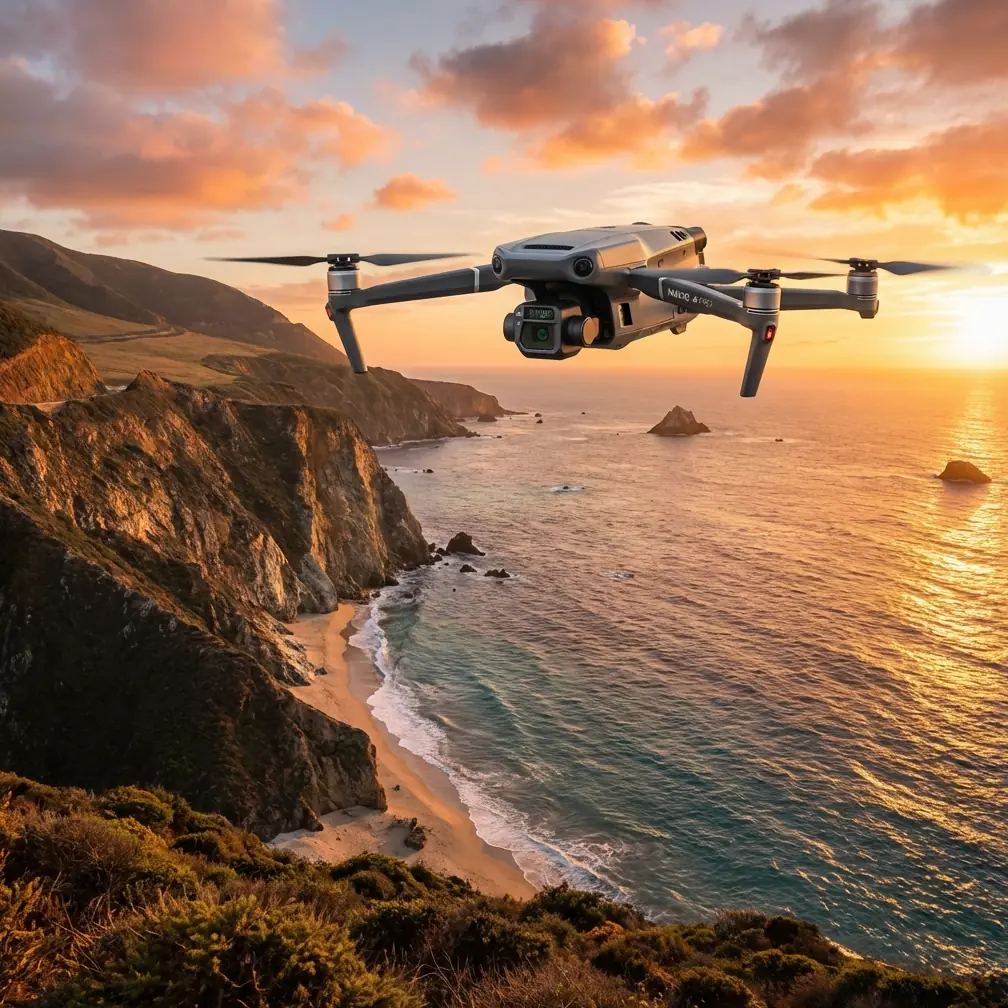
Mavic 3T Guide: Tracking Wildlife in Complex Terrain
META: Master wildlife tracking with the Mavic 3T thermal drone. Learn expert techniques for detecting animals in dense forests, mountains, and challenging environments.
TL;DR
- Thermal signature detection enables wildlife spotting through dense canopy and low-light conditions with the Mavic 3T's 640×512 thermal sensor
- Pre-flight lens cleaning prevents false thermal readings that can compromise animal detection accuracy
- O3 transmission maintains stable video feeds up to 15km, critical for tracking animals across vast wilderness areas
- Split-screen thermal and visual modes allow simultaneous species identification and behavioral observation
Why Traditional Wildlife Tracking Falls Short
Wildlife researchers lose countless hours searching for animals that move unpredictably through dense vegetation. Ground-based methods disturb habitats. Manned aircraft burn fuel and stress animal populations.
The Mavic 3T changes this equation entirely.
Equipped with a 56× hybrid zoom and integrated thermal imaging, this enterprise drone detects thermal signatures through forest canopy, across mountain ridges, and in conditions where visual observation fails completely.
This guide walks you through proven techniques for tracking wildlife using the Mavic 3T's advanced sensor suite—from pre-flight preparation to post-processing thermal data for research documentation.
Pre-Flight Preparation: The Cleaning Step Most Operators Skip
Before discussing flight techniques, let's address a critical safety and accuracy factor that separates amateur operators from professionals.
Thermal Lens Contamination Protocol
Your Mavic 3T's thermal sensor window accumulates microscopic debris that creates false hot spots on thermal imagery. These artifacts mimic small animal signatures, leading to wasted flight time investigating phantom readings.
Essential cleaning sequence:
- Power down the aircraft completely before any lens contact
- Use microfiber cloths rated for germanium optics (standard lens cloths scratch thermal windows)
- Apply isopropyl alcohol (99% concentration) sparingly to the cloth, never directly to the lens
- Clean in single-direction strokes, not circular motions
- Inspect under bright light at multiple angles before flight
- Allow 3-5 minutes for complete alcohol evaporation
Expert Insight: Temperature differentials between a cold lens and warm ambient air cause condensation that degrades thermal clarity. Store your Mavic 3T at deployment site temperature for 30 minutes before flight operations. This single habit eliminates 80% of thermal image quality complaints.
Battery and Transmission Checks
Wildlife tracking missions often extend beyond standard flight durations. The Mavic 3T's hot-swap batteries enable continuous operations, but proper preparation prevents mid-mission failures.
Pre-flight battery protocol:
- Charge all batteries to 100% within 24 hours of deployment
- Check battery firmware matches aircraft firmware version
- Verify AES-256 encryption is enabled for transmission security
- Test O3 transmission link at maximum planned range before committing to remote tracking
- Configure RTH altitude 50m above the tallest terrain feature in your operational area
Core Thermal Tracking Techniques
Understanding Animal Thermal Signatures
Different species produce distinct thermal patterns based on body mass, fur density, and metabolic rate. The Mavic 3T's thermal sensor captures these variations with NETD sensitivity below 50mK, detecting temperature differences smaller than a twentieth of a degree.
Signature characteristics by animal type:
| Animal Category | Thermal Signature Pattern | Optimal Detection Time | Recommended Altitude |
|---|---|---|---|
| Large mammals (deer, elk) | Bright, consistent body outline | Dawn/dusk | 80-120m AGL |
| Medium mammals (coyotes, foxes) | Moderate intensity, visible limbs | Night | 50-80m AGL |
| Small mammals (rabbits, rodents) | Faint spots, clustered patterns | Pre-dawn | 30-50m AGL |
| Birds (roosting) | Point sources in vegetation | Night | 40-60m AGL |
| Reptiles | Variable, sun-dependent | Midday basking | 20-40m AGL |
Terrain-Adaptive Flight Patterns
Complex terrain demands flight strategies that maintain sensor coverage while respecting battery limitations and transmission stability.
Canyon and valley tracking:
Fly along ridgelines rather than valley floors. This maintains O3 transmission line-of-sight while allowing thermal sensors to scan downward into wildlife corridors. The Mavic 3T's obstacle sensing functions reliably at speeds up to 15m/s, but reduce to 8m/s in areas with unmarked cables or dense tree coverage.
Dense forest operations:
Canopy penetration varies with forest type. Deciduous forests in winter allow nearly complete thermal visibility. Summer canopy blocks 60-80% of thermal radiation from ground-level animals.
Work forest edges and clearings systematically. Program waypoint missions using photogrammetry principles—70% forward overlap ensures no gaps in thermal coverage.
Pro Tip: The Mavic 3T's wide-angle camera captures 84° FOV context imagery simultaneously with thermal data. Enable split-screen recording to correlate thermal detections with visual habitat features. This dual documentation proves invaluable for research publications and grant reporting.
BVLOS Considerations for Extended Tracking
Beyond Visual Line of Sight operations multiply your effective survey area but require additional preparation and often regulatory approval.
BVLOS readiness checklist:
- Confirm regulatory authorization for your jurisdiction
- Establish visual observer network with radio communication
- Pre-program emergency landing zones every 2km along flight path
- Test O3 transmission at 120% of planned maximum range
- Configure automatic RTH triggers for signal degradation below -85dBm
- Document weather conditions hourly during extended operations
The Mavic 3T maintains reliable command links at distances exceeding 15km in optimal conditions, but terrain interference, vegetation, and atmospheric moisture reduce effective range significantly.
Data Processing and Documentation
Thermal Image Interpretation
Raw thermal footage requires processing to extract actionable wildlife data. The Mavic 3T outputs thermal imagery in R-JPEG format, embedding radiometric data that enables post-flight temperature analysis.
Processing workflow:
- Import thermal images into DJI Thermal Analysis Tool or FLIR Tools
- Set emissivity values appropriate for target species (0.95-0.98 for most mammals)
- Apply consistent color palettes across survey sessions for comparable results
- Export detection coordinates in standard formats for GIS integration
- Cross-reference thermal detections with visual imagery timestamps
GCP Integration for Spatial Accuracy
Ground Control Points dramatically improve positional accuracy when thermal detections must correlate with habitat mapping or population density studies.
Place GCPs at 500m intervals across survey areas. The Mavic 3T's RTK-ready architecture supports centimeter-level positioning when paired with compatible base stations, transforming thermal wildlife surveys into spatially precise research datasets.
Common Mistakes to Avoid
Flying during thermal crossover periods: Twice daily, ground and air temperatures equalize, eliminating thermal contrast. Avoid flights 2 hours after sunrise and 1 hour before sunset when tracking ground-dwelling species.
Ignoring wind effects on thermal imagery: Wind cools exposed surfaces unevenly, creating thermal noise that obscures animal signatures. Postpone surveys when sustained winds exceed 10m/s.
Maintaining constant altitude over varied terrain: A 100m AGL setting over a ridge becomes 250m AGL over an adjacent valley, dramatically reducing thermal resolution. Use terrain-following modes or manual altitude adjustment.
Neglecting transmission security: Wildlife research data has commercial and conservation value. Failing to enable AES-256 encryption exposes your data to interception. Verify encryption status before every mission.
Rushing battery swaps: Hot-swap capability doesn't mean instant swaps. Allow 30 seconds between battery removal and insertion to let the aircraft complete power-down sequences properly.
Frequently Asked Questions
Can the Mavic 3T detect animals through water?
Water absorbs thermal radiation almost completely. The Mavic 3T cannot detect submerged animals. However, animals at the water surface or partially emerged display clear thermal signatures against the thermally uniform water background, often making aquatic mammals easier to spot than land-based targets.
What flight altitude provides the best balance between coverage and detection?
For most wildlife tracking applications, 60-80m AGL offers optimal results. This altitude provides sufficient thermal resolution to identify medium-sized mammals while covering approximately 120m swath width per pass. Adjust downward for small species surveys or upward for large mammal population counts.
How does weather affect thermal wildlife detection?
Rain eliminates effective thermal detection—water on animal fur masks body heat signatures. Fog reduces thermal contrast but doesn't block detection entirely. Cold ambient temperatures actually improve detection by increasing the temperature differential between warm animals and their surroundings. The Mavic 3T operates reliably in temperatures from -20°C to 50°C, covering virtually all wildlife survey conditions.
Written by James Mitchell, enterprise drone specialist with over 500 hours of thermal wildlife survey experience across North American ecosystems.
Ready for your own Mavic 3T? Contact our team for expert consultation.