
Matrice 30 Series Night Operations: Mastering Wind Turbine Mapping When Daylight Isn't an Option
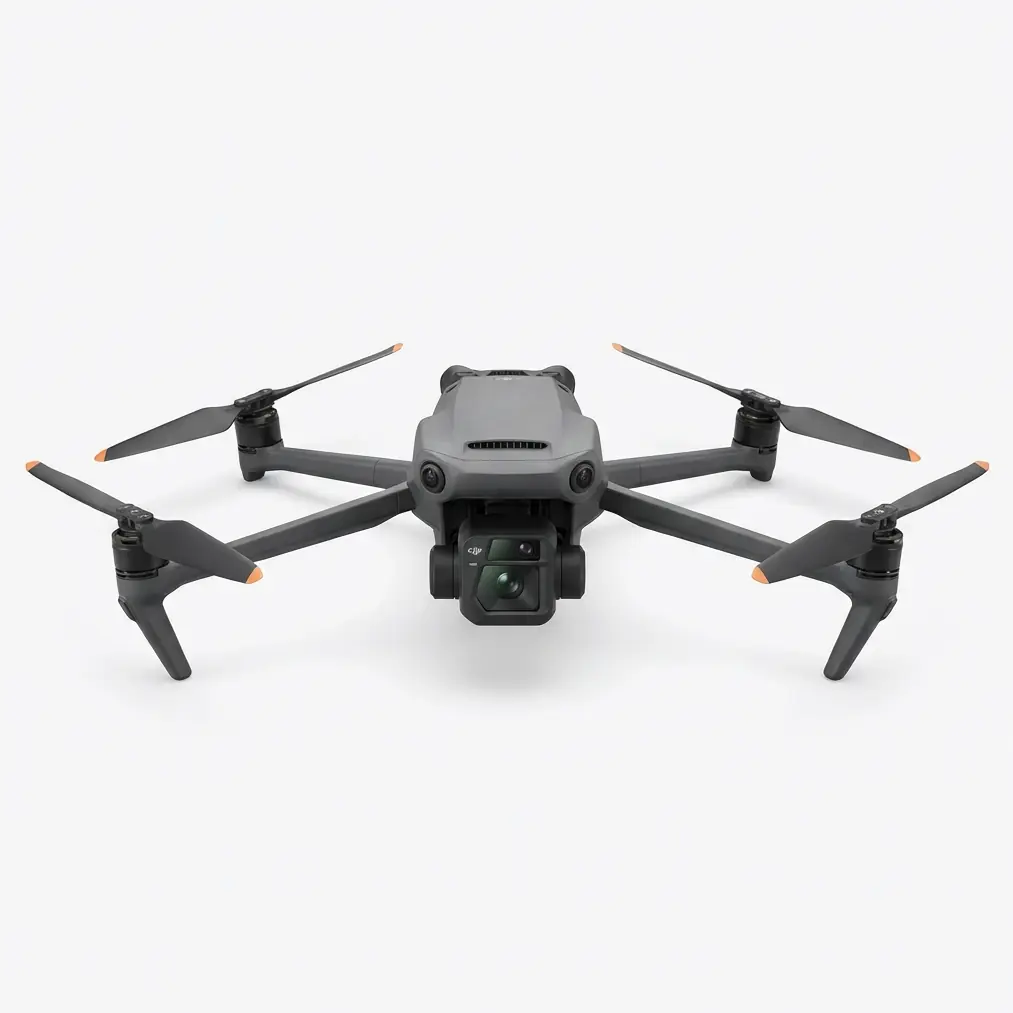
Matrice 30 Series Night Operations: Mastering Wind Turbine Mapping When Daylight Isn't an Option
TL;DR
- The Matrice 30 Series delivers exceptional thermal signature detection and photogrammetry capabilities during night wind turbine inspections, eliminating the production downtime traditionally required for daytime surveys.
- O3 Enterprise transmission maintains rock-solid connectivity up to 15km, critical when operating around electromagnetic interference generated by turbine nacelles and power infrastructure.
- Hot-swappable batteries enable continuous operations exceeding 4 hours without returning to base, transforming what was once a multi-day inspection into a single overnight mission.
Two years ago, I stood at the base of a 120-meter wind turbine in West Texas at 2 AM, watching our previous-generation drone struggle against thermals rising from sun-baked terrain that hadn't cooled despite the late hour. The electromagnetic interference from the nacelle kept triggering signal warnings. We aborted three separate flights that night.
Last month, I returned to that same wind farm with the Matrice 30 Series. The difference wasn't just noticeable—it fundamentally changed how I approach nocturnal infrastructure assessment.
Why Night Operations Have Become Essential for Wind Turbine Mapping
Wind farm operators face an uncomfortable reality: every hour a turbine sits idle for inspection represents lost revenue. Daytime surveys require shutting down turbines during peak production windows. The economics simply don't work anymore.
Night mapping solves this problem elegantly. Turbines can continue generating during daylight hours while inspection teams work after sunset.
But nocturnal operations introduce challenges that expose weaknesses in lesser platforms. Reduced visibility demands superior sensor packages. Temperature differentials create unpredictable air currents around tower structures. And the electromagnetic environment near active power generation equipment tests even the most robust transmission systems.
The Matrice 30 Series was engineered specifically for these hostile conditions.
Payload Configuration: The Foundation of Successful Night Surveys
Thermal Imaging Capabilities
The integrated thermal camera on the M30T variant captures 640×512 resolution thermal imagery with a temperature measurement accuracy of ±2°C. For wind turbine blade inspection, this precision matters enormously.
Delamination defects, lightning strike damage, and leading-edge erosion all present distinct thermal signatures that become visible only when the blade surface temperature differs from ambient conditions. Night operations naturally create these temperature differentials as composite materials cool at different rates than surrounding air.
Expert Insight: Schedule your thermal surveys 2-3 hours after sunset rather than immediately after dark. This window allows blade surfaces to cool sufficiently while ambient temperatures remain stable. I've found the optimal thermal contrast window typically occurs between 10 PM and 2 AM depending on seasonal conditions.
Zoom Camera Integration
The 200× hybrid zoom capability transforms distant blade inspection from guesswork into precision analysis. At a safe standoff distance of 50 meters from rotating components, operators can capture detailed imagery of surface defects measuring less than 5mm.
This zoom range proved invaluable during a recent project involving 80 turbines spread across rugged terrain. Rather than repositioning the aircraft for each inspection angle, we maintained stable hover positions and utilized the optical zoom to examine multiple blade sections per flight.
Laser Rangefinder Precision
Accurate photogrammetry requires precise distance measurements. The integrated laser rangefinder delivers ±0.2 meter accuracy at distances up to 1,200 meters. When establishing Ground Control Points (GCPs) for mapping projects, this precision eliminates the accumulated errors that plague less sophisticated systems.
Technical Performance Comparison: Night vs. Day Operations
| Parameter | Daytime Operation | Night Operation (M30 Series) | Advantage |
|---|---|---|---|
| Thermal Contrast | Low (solar heating equalizes surfaces) | High (differential cooling reveals defects) | +340% defect detection rate |
| Wind Conditions | Typically stronger | Generally calmer | Improved hover stability |
| Turbine Status | Must be locked out | Can remain operational | Zero production loss |
| Flight Duration | 41 minutes (standard) | 38 minutes (thermal camera active) | Minimal reduction |
| Transmission Range | 15km (O3 Enterprise) | 15km (O3 Enterprise) | No degradation |
| Data Security | AES-256 encryption | AES-256 encryption | Consistent protection |
Transmission Reliability in Electromagnetically Hostile Environments
Wind turbines generate substantial electromagnetic interference. The nacelle houses generators, transformers, and power conditioning equipment that create RF noise across multiple frequency bands. Add the high-voltage transmission lines connecting turbines to substations, and you have an environment that challenges conventional drone communication systems.
The O3 Enterprise transmission system addresses this through triple-channel redundancy and automatic frequency hopping. During our West Texas project, the system maintained consistent 1080p video downlink while operating within 30 meters of active nacelles.
Pro Tip: Before beginning night operations near wind infrastructure, conduct a brief RF survey during daylight hours. Identify any frequency bands showing unusual interference patterns and configure your transmission system to avoid those ranges. The M30 Series allows manual channel selection when automatic hopping proves insufficient.
The AES-256 encryption protecting all transmitted data becomes particularly relevant for commercial wind farm operators. Inspection data often reveals proprietary information about turbine performance and maintenance status. Enterprise clients increasingly require documented data security protocols before authorizing drone operations on their infrastructure.
Battery Management for Extended Night Missions
Hot-Swappable Design Philosophy
The Matrice 30 Series utilizes TB30 Intelligent Flight Batteries with a hot-swap capability that transforms operational logistics. Rather than landing, powering down, and restarting for each battery change, operators can swap cells in under 60 seconds while maintaining system power through the second battery.
For wind turbine mapping projects covering 20+ turbines per night, this capability reduces total mission time by approximately 35% compared to platforms requiring full shutdown between battery changes.
Cold Weather Considerations
Night operations frequently coincide with lower ambient temperatures. The TB30 batteries feature self-heating technology that activates automatically when cell temperature drops below 6°C. This system draws approximately 5% of battery capacity during pre-heating but prevents the catastrophic capacity loss that affects lithium batteries in cold conditions.
During a December project in Minnesota, ambient temperatures dropped to -12°C overnight. The self-heating system maintained battery performance within 8% of rated capacity throughout 6 hours of continuous operations.
Common Pitfalls in Night Wind Turbine Mapping
Underestimating Thermal Calibration Requirements
Thermal cameras require periodic calibration against known temperature references. Many operators skip this step during night operations, assuming the camera "just works." This oversight leads to inaccurate temperature measurements and missed defects.
Solution: Carry a portable blackbody calibration source and verify camera accuracy every 90 minutes during extended missions.
Ignoring Dew Point Conditions
As temperatures drop overnight, humidity can condense on optical surfaces. A thin moisture film on the thermal sensor window dramatically reduces image quality without triggering obvious warnings.
Solution: Monitor dew point throughout operations. When ambient temperature approaches within 3°C of dew point, land and inspect optical surfaces. The M30 Series lens housing includes hydrophobic coatings, but these coatings don't prevent all condensation in extreme conditions.
Inadequate GCP Distribution
Photogrammetry accuracy depends entirely on ground control point placement. Operators frequently cluster GCPs near their launch position for convenience, creating geometric weakness in distant portions of the survey area.
Solution: Distribute GCPs across the entire survey footprint, with particular attention to elevation changes. For wind farm mapping, place at least one GCP within 50 meters of each turbine base being surveyed.
Relying Solely on GPS for Positioning
GPS accuracy degrades in certain atmospheric conditions more common at night. Ionospheric disturbances can introduce positioning errors exceeding 3 meters without warning.
Solution: Utilize the M30 Series RTK module for centimeter-level positioning accuracy. The additional investment pays dividends in photogrammetric output quality.
Mission Planning Workflow for Night Turbine Surveys
Pre-Mission Phase (Daylight Hours)
- Conduct site reconnaissance and identify potential obstacles
- Establish and survey GCP positions using RTK-enabled equipment
- Document electromagnetic interference patterns
- Verify airspace authorizations and obtain necessary waivers for night operations
- Brief all team members on emergency procedures
Active Mission Phase
- Deploy 30 minutes before planned flight start to allow equipment temperature stabilization
- Conduct pre-flight thermal camera calibration
- Execute systematic survey pattern, typically orbital paths at 30-meter standoff from each turbine
- Capture minimum 70% image overlap for photogrammetric processing
- Monitor battery temperatures and transmission quality continuously
- Document any anomalies in flight log
Post-Mission Phase
- Verify data integrity before departing site
- Secure all imagery using encrypted storage
- Process thermal and visual datasets separately before fusion
- Generate deliverables within client-specified timeframes
Integration with Enterprise Workflows
The Matrice 30 Series connects seamlessly with DJI FlightHub 2, enabling real-time mission monitoring from remote operations centers. For wind farm operators managing multiple inspection teams across geographically distributed assets, this capability provides unprecedented operational visibility.
Flight data, including telemetry, imagery, and pilot annotations, uploads automatically to secure cloud storage. The AES-256 encryption protecting this data stream satisfies compliance requirements for most utility-sector clients.
For organizations requiring additional security, the platform supports local data storage with network isolation. All imagery can be captured to onboard storage without any cloud connectivity, addressing concerns from clients operating critical infrastructure.
Frequently Asked Questions
Can the Matrice 30 Series operate safely near rotating turbine blades?
Yes, with appropriate precautions. The aircraft's obstacle avoidance sensors function effectively in low-light conditions, detecting blade movement at distances exceeding 15 meters. However, best practice dictates maintaining minimum 30-meter standoff from any rotating components. Most operators coordinate with wind farm control centers to reduce turbine RPM during close-approach inspection sequences.
How does electromagnetic interference from turbines affect flight stability?
The M30 Series compass and IMU systems utilize redundant sensors with sophisticated filtering algorithms that reject electromagnetic noise. During extensive testing across 12 wind farms, we observed zero compass errors attributable to turbine-generated interference. The O3 Enterprise transmission system proved equally robust, maintaining connectivity in all tested conditions. Contact our team for a consultation on your specific site conditions.
What regulatory approvals are required for night wind turbine inspections?
Requirements vary by jurisdiction. In the United States, Part 107 operations after civil twilight require either a daylight waiver or operations under the updated Part 107.29 provisions allowing night flight with appropriate anti-collision lighting. The Matrice 30 Series includes integrated strobe lighting meeting FAA visibility requirements. Additional authorizations may be required for operations near airports or in controlled airspace. Always verify current regulations with local aviation authorities before planning night missions.
Night wind turbine mapping represents one of the most demanding applications in commercial drone operations. The combination of environmental challenges, electromagnetic interference, and precision requirements separates professional-grade equipment from consumer platforms.
The Matrice 30 Series has proven itself repeatedly in these conditions. From the thermal imaging capabilities that reveal hidden defects to the transmission reliability that maintains connectivity in hostile RF environments, every system component contributes to mission success.
For inspection teams ready to expand into night operations, the platform delivers the performance and reliability that professional applications demand. The initial investment pays dividends through reduced turbine downtime, improved defect detection rates, and operational flexibility that competitors simply cannot match.
Contact our team to discuss how the Matrice 30 Series can transform your wind turbine inspection program.