
Mavic 3 Thermal Highway Mapping in High Winds: The Complete Safety Protocol Guide
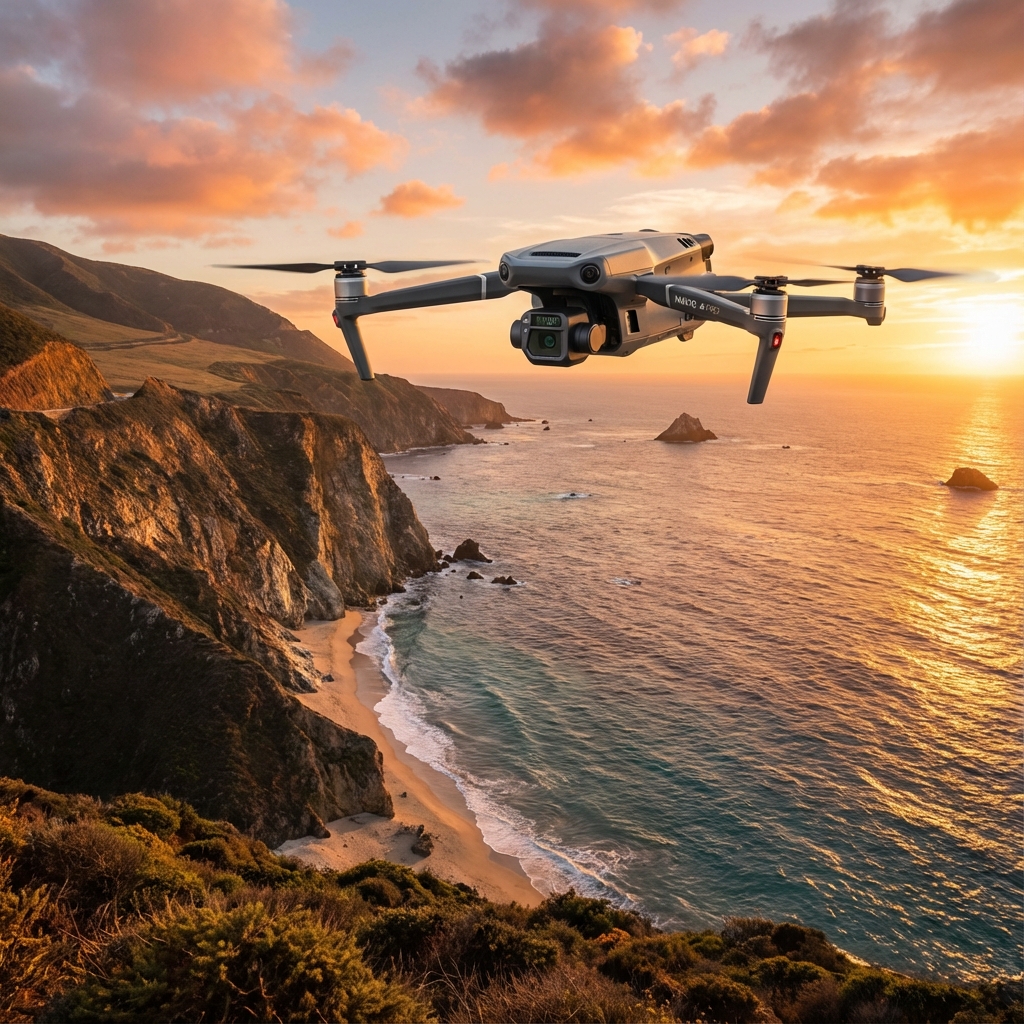
Mavic 3 Thermal Highway Mapping in High Winds: The Complete Safety Protocol Guide
TL;DR
- 45-minute flight time and O3 Enterprise transmission make the Mavic 3 Thermal the reliable workhorse for highway mapping operations in challenging wind conditions
- Implement the 3-2-1 battery staging protocol to maintain continuous thermal and visual data capture across multi-kilometer corridor surveys
- Wind speeds between 15-25 mph require specific flight altitude adjustments and modified GCP placement strategies for accurate photogrammetry results
- Split-screen thermal and visual display enables real-time pavement condition assessment while maintaining situational awareness during gusty conditions
Why Highway Mapping Demands Thermal-Visual Integration
Highway infrastructure assessment has fundamentally shifted from ground-based inspection crews to aerial photogrammetry operations. The challenge? Roadway corridors stretch across dozens of kilometers, often through exposed terrain where wind conditions fluctuate dramatically within a single mission.
The Mavic 3 Thermal addresses this operational reality by combining thermal signature detection with high-resolution visual imaging in a platform engineered for stability. When mapping highways, you're simultaneously capturing pavement thermal anomalies—subsurface moisture intrusion, delamination zones, joint deterioration—while building the visual dataset required for digital twin construction.
This dual-sensor approach eliminates the need for multiple flight passes, reducing exposure time in adverse conditions and maximizing the 15km transmission range that keeps your aircraft connected even when working extended linear corridors.
Pre-Flight Safety Protocols for Windy Corridor Operations
Establishing Your Wind Threshold Framework
Before any highway mapping mission, establish clear go/no-go criteria based on sustained wind speeds and gust differentials. The Mavic 3 Thermal maintains stable flight characteristics in winds up to Level 5 (8.0-10.7 m/s), but highway operations introduce additional variables.
Critical wind assessment factors:
- Sustained wind speed at planned flight altitude (typically 80-120 meters AGL for highway photogrammetry)
- Gust spread—the difference between sustained and peak readings
- Wind direction relative to your corridor orientation
- Terrain channeling effects from adjacent structures, cuts, or embankments
| Wind Condition | Sustained Speed | Gust Spread | Operational Recommendation |
|---|---|---|---|
| Optimal | 0-12 mph | <5 mph | Standard flight parameters |
| Moderate | 12-18 mph | 5-8 mph | Reduce altitude, increase overlap |
| Challenging | 18-25 mph | 8-12 mph | Modified protocols required |
| Abort Threshold | >25 mph | >12 mph | Mission postponement |
GCP Deployment Strategy for Wind-Affected Surveys
Ground Control Points become even more critical when wind conditions introduce aircraft positioning variability. For highway mapping, deploy GCPs at 300-meter intervals along the corridor centerline, with additional points at interchanges, bridge approaches, and any location where terrain elevation changes significantly.
Expert Insight: After mapping over 2,000 kilometers of highway infrastructure, I've learned that GCP visibility becomes compromised in thermal imaging when pavement temperatures exceed 45°C. During summer operations, I place reflective thermal targets adjacent to traditional visual GCPs—aluminum plates work exceptionally well because they maintain a distinct thermal signature against hot asphalt.
Wind-resistant GCP mounting matters. Standard weighted targets can shift during extended operations. Use spike-mounted panels or adhesive-backed targets for exposed sections where gusts channel between barriers or through interchange ramps.
The 3-2-1 Battery Staging Protocol: A Field-Proven Approach
Here's a battery management technique developed through hundreds of highway mapping missions that has prevented countless operational interruptions.
The Protocol Explained
Three batteries in rotation, two in active thermal conditioning, one in flight.
Highway mapping operations often span 4-6 hours of continuous flight time. The Mavic 3 Thermal's 45-minute flight endurance means you'll cycle through 6-8 batteries during a typical corridor survey. How you manage those batteries directly impacts data continuity and mission safety.
Stage One: Pre-Conditioning Maintain two batteries at 20-25°C in an insulated case with hand warmers (cold weather) or cooling packs (hot weather). Lithium batteries deliver optimal performance within this temperature window. Batteries that are too cold reduce available capacity; batteries that are too hot trigger thermal protection limits.
Stage Two: Ready Position One battery sits in the "on-deck" position—fully charged, temperature-stabilized, and physically inspected for any debris or moisture on contacts. This battery should be ready for a sub-60-second swap when the active battery reaches 25% remaining capacity.
Stage Three: Active Flight Your in-flight battery powers the mission. Set RTH (Return to Home) triggers at 30% for windy conditions—higher than the standard 20% threshold—because headwind returns consume significantly more energy than calm-air calculations predict.
Pro Tip: I mark each battery with a small numbered sticker and log cycle counts in a dedicated spreadsheet. After 150 cycles, batteries get relegated to training flights only. For critical infrastructure mapping where data gaps create expensive remobilization costs, fresh batteries aren't optional—they're mandatory.
Flight Execution: Maintaining Data Quality in Gusty Conditions
Altitude and Overlap Adjustments
Wind introduces positional variance that degrades photogrammetry accuracy. Compensate with these parameter modifications:
Standard calm-air settings:
- Flight altitude: 100m AGL
- Forward overlap: 75%
- Side overlap: 65%
Wind-adjusted settings (15-25 mph):
- Flight altitude: 80m AGL (reduces wind exposure, improves ground resolution)
- Forward overlap: 80%
- Side overlap: 70%
The increased overlap creates redundancy that photogrammetry software uses to reject wind-affected frames while still generating complete point cloud coverage.
Leveraging Split-Screen Display for Real-Time Assessment
The Mavic 3 Thermal's split-screen capability displays thermal and visual feeds simultaneously. During highway mapping, this feature serves dual purposes:
- Immediate anomaly identification—thermal signatures indicating subsurface issues appear in real-time, allowing you to mark locations for closer inspection passes
- Environmental monitoring—thermal imaging reveals wind effects on vegetation and structures that visual cameras miss, providing advance warning of changing conditions
Configure your display with thermal on the left (primary attention) and visual on the right (context reference). This arrangement matches natural left-to-right scanning patterns and keeps your focus on the data that drives infrastructure decisions.
Common Pitfalls in Highway Thermal Mapping Operations
Mistake #1: Ignoring Thermal Crossover Periods
Twice daily—typically around 9:00 AM and 4:00 PM depending on season and latitude—pavement and subsurface temperatures equalize, eliminating the thermal contrast that reveals defects. Mapping during these crossover windows produces data with minimal diagnostic value.
Solution: Schedule flights for 10:30 AM to 2:30 PM when solar heating creates maximum thermal differentiation, or conduct night operations when radiant cooling produces equally distinct signatures.
Mistake #2: Underestimating Electromagnetic Interference
Highways concentrate EMI sources: high-voltage transmission lines, cellular towers, vehicle electronics, and roadside communication infrastructure. The AES-256 encryption and O3 Enterprise transmission system handles interference exceptionally well, but operators must still identify and avoid concentrated EMI zones.
Solution: During pre-flight reconnaissance, map transmission lines and communication towers along your corridor. Plan flight paths that maintain minimum 50-meter horizontal separation from high-voltage infrastructure.
Mistake #3: Single-Direction Flight Patterns
Flying a highway corridor in one direction only creates systematic shadows in your thermal data. Pavement defects on the sun-facing side of joints and cracks become invisible.
Solution: Execute bidirectional passes—outbound at 80m AGL, return at 100m AGL. This captures thermal signatures from opposing sun angles and provides the altitude variation that improves point cloud accuracy.
Post-Flight Data Processing Considerations
Building Accurate Digital Twins from Wind-Affected Datasets
Point cloud generation from wind-affected imagery requires adjusted processing parameters. In your photogrammetry software:
- Enable aggressive outlier filtering to reject frames with excessive motion blur
- Increase tie point matching thresholds by 15-20%
- Process thermal and visual datasets separately, then align using GCP coordinates
The resulting digital twin maintains survey-grade accuracy despite challenging collection conditions—a testament to the Mavic 3 Thermal's stabilization systems and the redundancy built into proper flight protocols.
Thermal Data Interpretation for Infrastructure Assessment
Thermal signatures in highway mapping reveal specific defect categories:
| Thermal Pattern | Typical Cause | Severity Indicator |
|---|---|---|
| Linear hot spots along joints | Moisture intrusion | Moderate—monitor |
| Diffuse warm zones | Subsurface delamination | High—schedule repair |
| Cool spots in summer | Recent patching or void | Variable—investigate |
| Hot spots at crack intersections | Structural movement | Critical—immediate assessment |
Mission Documentation and Compliance
Every highway mapping operation requires comprehensive documentation for client deliverables and regulatory compliance. Maintain records of:
- Wind conditions at mission start, midpoint, and conclusion
- Battery serial numbers and cycle counts for each flight segment
- GCP coordinates and placement photographs
- Any deviations from planned flight paths and justification
- Thermal calibration verification timestamps
This documentation supports BVLOS waiver applications for future operations and demonstrates the professional standards that infrastructure clients require.
Frequently Asked Questions
What wind speed requires mission abort during highway thermal mapping?
Sustained winds exceeding 25 mph or gust spreads greater than 12 mph should trigger mission postponement. While the Mavic 3 Thermal can physically fly in stronger conditions, data quality degradation and increased battery consumption make continued operations counterproductive. The aircraft remains your reliable platform—the limitation is achieving survey-grade photogrammetry accuracy, not flight capability.
How do I maintain thermal sensor accuracy across extended highway corridor missions?
The Mavic 3 Thermal's radiometric calibration remains stable throughout normal operations. However, for missions exceeding 3 hours, perform a flat-field calibration during battery swaps by briefly pointing the thermal sensor at a uniform temperature surface (vehicle hood works well). This resets any minor drift and ensures consistent thermal signature detection across your entire corridor dataset.
Can highway mapping operations continue during light rain?
Light precipitation creates challenges for visual photogrammetry but actually enhances certain thermal signatures by cooling surface temperatures and increasing contrast with subsurface anomalies. The Mavic 3 Thermal handles light moisture exposure, but avoid operations during active rainfall that could affect lens clarity or create water ingress at connection points. Post-rain windows—30-60 minutes after precipitation stops—often produce exceptional thermal data as evaporative cooling patterns reveal moisture retention zones.
Next Steps for Your Highway Mapping Program
Implementing these safety protocols transforms highway thermal mapping from a weather-dependent gamble into a reliable, repeatable operation. The Mavic 3 Thermal provides the platform stability, transmission reliability, and sensor integration that professional infrastructure assessment demands.
Ready to develop a customized protocol for your specific corridor challenges? Contact our team for a consultation on optimizing your highway mapping operations with the Mavic 3 Thermal system.